Respite Care or Memory Care? How to Pick the Right Choice for Aging Parents
Business Name: BeeHive Homes of Henderson
Address: 1000 Greenway Rd, Henderson, NV 89002
Phone: (702) 551-0265
BeeHive Homes of Henderson
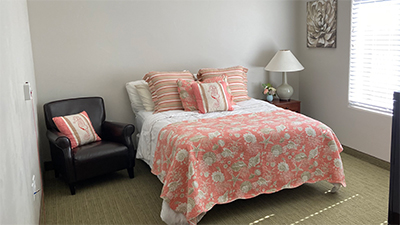
At BeeHive Homes of Henderson, Nevada, we offer the finest assisted living and memory care experience available in a cozy, comfortable homelike setting. Each of our residents has their own spacious room with an ADA approved bathroom and shower. We prepare and serve delicious home-cooked meals three times a day every day. We maintain a small, friendly community of only 20 residents per home. We provide regular activities that our residents find fun and contribute to their health and well-being. Our staff is attentive and caring and provides assistance with daily activities to our residents in a loving and respectful manner. We would like to invite you to tour and experience our memory care & assisted living home and feel the difference.
1000 Greenway Rd, Henderson, NV 89002
Business Hours
Families usually reach the crossroads in between respite care and memory care after a string of sleep deprived nights and hard discussions. A parent has actually roamed at dawn, medication regimens keep slipping, or the caretaker's own health is splitting under the pressure. The stakes are immediate. The goal is not simply to find a bed, but to match the best level of assistance with the ideal timing so your parent remains safe, engaged, and dignified while everyone gets the breathing space to make sound decisions.
This guide draws from practical, on-the-ground experience. It sets out how each alternative works, when one makes more sense than the other, what to ask on tours, and how to prepare for a transition with very little disruption. No 2 households have the very same limits for threat, spending plan, or cultural expectations around aging, so the guidance here aims to assist you judge compromises rather than follow a script.
What respite care truly provides
Respite care is short-term assistance that gives the primary caregiver short-lived relief. It can last a couple of hours with an at home assistant, a few days during a caretaker's organization trip, or several weeks after a parent's hospitalization. Think about it as a pressure valve for the care system around your parent. When used proactively, respite can prevent crises like caregiver burnout, avoidable ER visits, and rushed long-lasting placements.
There are numerous delivery models. In-home respite brings a qualified assistant into the house for supervision, individual care, light housekeeping, and companionship. Adult day programs offer structured activities, meals, and tracking during organization hours, which can stabilize day-to-day rhythms and reduce seclusion. Some assisted living and memory care communities offer short-stay apartment or condos for one to 4 weeks. Hospital-affiliated or knowledgeable nursing centers may accept short-term patients who need more medical oversight, especially throughout healing from health problem or injury.
Families typically attempt respite after warnings begin to accumulate. Image a daughter who has actually been covering nights with baby displays and door alarms to prevent her father with early dementia from leaving the house, while also raising two teens and working full-time. A two-week respite stay enables her to rest and examine what level of care her father in fact needs. It can also assist him get used to a more structured routine before thinking about any permanent move.
In the best usages of respite, the caregiver returns fresher, little security concerns are corrected at home, and the family gains data about how their parent functions with outdoors assistance. In the worst usages, respite is a frenzied last resort with little preparation, which can feel disruptive for the parent and frustrating for staff who are entering a crisis. Planning matters.
What memory care is designed to do
Memory care is a customized residential setting for individuals living with Alzheimer's illness and other forms of dementia. It is not just assisted coping with a locked door. True memory care focuses on foreseeable regimens, ecological hints, specialized activity shows, and personnel training that addresses the communication, movement, and behavioral modifications particular to dementia care.
Strong programs establish a consistent day-to-day rhythm. They utilize visual triggers, basic options, and sensory stimulation to reduce stress and anxiety and agitation. Dining is structured to motivate appropriate nutrition without accentuating deficits. Medication management is rigorous and multi-checked, since timing matters for mood and function. Security is likewise different. Memory care floors frequently have secure yards, delayed egress doors, and discreet roam management technology so residents can move freely within safe zones without feeling confined.
Quality varies. Some neighborhoods buy dementia-specific personnel training, low resident-to-staff ratios during peak hours, and thoughtful structure style like circular halls that prevent dead ends. Others rely on generic activity calendars and very little training. When you tour, do not be sidetracked by chandeliers. View how personnel engage with homeowners, how frequently you see smiles or mild touch, and whether the environment feels calm without being sedating.
Families transfer to memory care when everyday security dangers or caregiver pressure surpass the benefits of staying at home. That tipping point looks different for each family. For some, it is the second kitchen fire. For others, it is progressive incontinence that overwhelms home assistances. I have actually likewise seen households choose memory care earlier because the parent prospers on social interaction, loses function in isolation, and needs the consistent routine that is tough to duplicate at home.
Where the choices overlap, and where they do not
If you squint, respite care and memory care both create area for healing and stability. Yet their desired trajectories vary. Respite is short-lived support that ideally helps the person return to their previous living scenario or transition at their own speed. Memory care is a long-term online constructed around cognitive changes that will advance over time.
Consider the goals. Respite aims to shore up a strained system and collect info, like how your father responds to night checks, how your mother eats when meals are cued, and whether an alternative antipsychotic lowers late afternoon agitation. Memory care aims to provide consistent, customized dementia care every day, indefinitely.
Also look at intensity. Respite can be light supervision or heavy nursing, depending on the setting, but it is usually time-limited. Memory care centers on foreseeable, specialized regimens for people whose cognition impacts security and independence throughout the day and night.
A fast comparison to orient your decision
- Duration: Respite care is short-term and flexible, from hours to weeks. Memory care is continuous residential care.
- Primary goal: Respite supports the caregiver and supports the individual short-term. Memory care supplies specialized dementia care for everyday living and safety.
- Environment: Respite can be in the house, adult day programs, or short-stay apartment or condos. Memory care is a secure, dementia-focused community.
- Staffing: Respite staffing levels vary commonly. Memory care staffing is structured for cognitive requirements, with targeted training and routines.
- Cost frame: Respite is pay-as-needed with variable rates. Memory care is a regular monthly dedication with bundled services and greater baseline costs.
Signs that respite care is the right next step
Respite makes good sense when the home care setup mostly works however requires reinforcements. Normal scenarios consist of a caretaker who requires surgical treatment or medical rest, a brand-new medication plan that requires monitoring before a big relocation, or a parent with mild to moderate dementia whose greatest dangers come from inconsistent guidance instead of complicated medical needs.
One marker is predictability. If your mother functions well with cueing and relaxes easily after quick reassurance, she might do well with an adult day program and evening at home support, at least for a while. Another is caretaker stability. If the main caretaker can stay healthy, sleep, and work with the aid of set up breaks, respite can extend the time in your home by months or years. I have actually seen families sustain home care 2 to 3 years longer by layering adult day services, two evenings a week of at home assistants, and a scheduled one-week residential respite every quarter.
Cost is likewise a reason to start with respite. In many regions, in-home aides run 28 to 45 dollars per hour, adult day programs range from 70 to 130 dollars daily consisting of meals and activities, and a one-week respite in assisted living can land between 175 and 325 dollars per day depending on care needs and market. Those figures vary by city, however in general, thoroughly planned respite can be less costly than an early relocate to memory care.
Signs that memory care is overdue
On the other hand, memory care certain patterns recommend that home setups and periodic breaks are no longer keeping your parent safe or engaged. Repetitive roaming to areas where door alarms are not enough, numerous falls with injuries, intensifying sundowning that results in aggression, weight-loss in spite of meal delivery, or overall caretaker fatigue point toward residential memory care.
One test is night security. If someone needs awake over night staff to prevent harm, it is hard and costly to supply in your home regularly. Another test is medication and medical coordination. Frequent infections, blood pressure spikes, or insulin management difficulties can overwhelm even the most arranged family. Then there is the social and cognitive health side. Individuals with dementia typically do much better in environments where activities are tailored to their phase of illness. If your parent is pacing at home all the time with the tv droning, he is not receiving dementia care. He is being supervised. That gap matters.
Families sometimes worry that moving to memory care implies giving up. In practice, the reverse can be true. A well-run memory care community can decrease psychotropic medications by utilizing structure, meaningful activity, and calm de-escalation methods. I have actually seen citizens gain back five to ten pounds of lost weight because mealtimes ended up being foreseeable and assisted in a dignified way.
How illness stage and diagnosis notify the choice
Dementia is a broad term. Vascular dementia often presents with stepwise declines and more physical comorbidities like strokes or gait issues. Lewy body dementia might consist of visual hallucinations and a high level of sensitivity to certain medications. Frontotemporal dementia impacts habits and language earlier. These information shape risk.
An individual with Alzheimer's in the early to moderate phase, who follows simple hints and enjoys social time, might do extremely well with adult day programs plus short residential respite when the caretaker takes a trip. An individual with Lewy body dementia, who experiences regular fluctuations, can be unsafe in environments with unknown personnel unless the team is trained in that specific profile. In such cases, devoted memory care with smaller, constant staffing might be much safer than rotating in-home aides.
If your parent's dementia is made complex by substantial heart failure, oxygen usage, or injury care, examine whether the memory care you are touring can genuinely deal with that medical layer. Some can, with going to nurses and strong medication management. Others can not. In that case, a proficient nursing facility with a memory support unit might be a better match than basic memory care.
Budget, insurance coverage, and what is typically covered
These decisions are not made in a vacuum. Costs and protection shape timelines. Medicare in the United States does not pay for long-term custodial care. It will cover clinically needed skilled services, like short-term rehabilitation after a medical facility stay, hospice, or home health nursing, however it does not money continuous support with bathing, dressing, or guidance. Medicaid coverage differs by state through Home and Community-Based Services waivers and may aid with in-home assistants, adult day health, or in many cases memory care. Waitlists can be long.
Long-term care insurance coverage, if your parent has one, frequently cover both respite and memory care within set day-to-day or monthly benefit caps, based on removal durations and benefit triggers. Read the policy thoroughly. If you intend to use respite as a bridge, validate whether short stays count towards the elimination period. Some policies allow caregiver training or care coordination advantages, which can help you support a home plan.
Out-of-pocket, memory care monthly rates often begin around 5,000 to 7,500 dollars in mid-cost markets, with care level add-ons pushing totals higher as needs increase. Urban and seaside markets may go beyond 9,000 to 12,000 dollars. Constantly demand an itemized rate sheet. Transparent communities will explain which services are included and which are tiered, such as incontinence supplies, diabetic management, or two-person transfers.
Safety, autonomy, and dignity
The right setting must minimize threat without stripping identity. That balance can be fragile. Over-supervision can develop frustration. Under-supervision leads to hurt. At home, a person might prepare in a familiar kitchen and delight in a favorite chair, however without supervision stove use or stairs can be harmful. In memory care, secure perimeters and structured activities can avoid wandering-related injuries, yet some residents feel more restricted or overstimulated if typical areas are loud.
Observe how potential suppliers discuss autonomy. Do they understand a resident's life story and incorporate it into daily choices, or do they count on a one-size-fits-all activity calendar? I look for 3 things throughout trips: whether staff utilize the resident's preferred name and tone, whether residents look clean and comfortable without being extremely sedated, and whether mealtime feels humane rather than hurried. If a neighborhood checks those boxes, it likely respects dignity.
Using respite to check the waters before a move
A clever middle course is to utilize respite as a trial. Organize a one to 2 week short remain in the memory care community you are thinking about for a permanent relocation. This offers you genuine data on sleep, behavior, hunger, and staff fit. It also permits the parent to meet people and discover the rhythms without the added pressure of permanence.
Tell the neighborhood you desire sincere feedback on how much redirection your parent needs, how frequently continence care is needed, and whether new habits emerge. In most cases, staff will identify small adjustments that make a big distinction, like altering the timing of a diuretic to prevent night restlessness or changing to finger foods if utensil use is decreasing. Families who attempt this technique usually feel more positive about the decision that follows, whether that indicates returning home with a stronger respite strategy or moving in.
What to ask on tours and intake meetings
Use concerns that expose practice, not just policy. Neighborhoods will state they provide dementia care and activities, however you want to see how those claims show up day to day. Keep your list short and focused so you can take notice of the environment and staff.
- How do you change the day-to-day regimen for homeowners who have later wake times or sundowning patterns?
- What is your typical resident-to-staff ratio throughout meals and nights, and how do you bend up throughout high-need hours?
- How do you interact with households about modifications in habits, falls, or medication modifications, and how quickly?
- Can you explain a current situation when a resident was distressed and how staff resolved it without restraints?
- Which medical services are available on-site or by means of checking out providers, and what requires outside appointments?
Listen for specifics. Vague answers normally point to unclear practice. If the director can name a resident example while protecting privacy, and if an aide can explain how they cue someone through a shower, you are hearing the program in motion.
Red flags that matter more than décor
Some warning signs are simple to miss out on during polished trips. Look for locals parked in corridors for long periods without engagement. Odor matters, but a heavy air freshener can mask poor incontinence care. Observe call bell reaction times if you can. 5 to 7 minutes is sensible in many settings. Fifteen to twenty is not. If personnel seem rushed or avoid eye contact, inquire about turnover and training. I as soon as visited a community where the whole memory care team had turned over two times in six months. Households felt the mayhem long previously business repaired it.
Another red flag is a stiff activity schedule without any adjustments for phase or cultural interests. Bingo has its place, however so does significant work-like activity for people who grew on structure. Search for arranging stations, laundry folding, music connected to resident languages, and outdoor time. If every resident is sitting in front of a television at 3 in the afternoon, that is not dementia care. It is custodial supervision.
Cultural expectations, family functions, and guilt
Care decisions live inside household systems and cultural standards. In some households, moving a parent to memory care feels like a breach of responsibility no matter how risky home has actually become. In others, utilizing professional assistance early is expected. Regret is a frequent visitor in any case. Acknowledge it, then ground your choice in current realities rather than promises made years ago under different circumstances.
If your parent comes from a language community not represented in regional centers, prepare for that in interviews. Ask about bilingual personnel, food that shows choices, and faith practices. I have seen agitation melt when a resident hears familiar hymns or poetry, and I have seen it spike when meals never taste right. These information are not additionals. They belong to efficient dementia care.
A framework for making the call
Decision-making enhances when you map threats, resources, and time horizons. Start with safety: list the leading 3 hazards right now, like nighttime roaming, medication mix-ups, or caretaker collapse. Name the frequency and consequences. Next, stock supports: household hours readily available, funds for aides or programs, insurance coverage advantages, and reputable providers within driving distance. Lastly, set a time horizon: what need to hold consistent for the next 90 days, and what is your strategy if it does not?
If security threats are high, supports are thin, and you can not stabilize the scenario within weeks, memory care is generally the sound option. If dangers are moderate and responsive to structure, assistances are good, and you have a concrete strategy to reassess in 60 to 90 days, respite care can extend home time without unnecessary danger. Document your thresholds so feelings do not bypass truths throughout a hard moment.
Preparing your parent and home for either option
How you frame the change impacts how it lands. Prevent arguments about diagnosis or irreversible moves. Concentrate on advantages your parent values. For respite, it might be that a friendly helper will prepare together while you run errands, or that the adult day center has live music and garden time. For memory care, it may be that the new place provides meals your parent likes, a patio for fresh air, and personnel who can aid with showers so household time can be more relaxed.
At home, streamline and protect before a respite trial. Eliminate clutter, label drawers, established a medication box with clear timing, and position a note with favored regimens on the fridge for assistants. For a memory care move, bring familiar items that signify home: a favorite blanket, photos, a simple clock, a well-worn sweater. Label everything. Anticipate a 2 to four week modification duration. Prepare for brief, calm visits instead of long emotional ones in the beginning. Ask staff for their kept reading timing. They see these transitions weekly and can assist you on whether your presence soothes or overstimulates in the early days.
What success looks like, and how to determine it
Success is not the absence of hard days. Success implies less harmful incidents, enhanced sleep, better nutrition, and moments of connection. Track a couple of easy metrics before and after the modification: hours of uninterrupted sleep for both the parent and main caregiver, variety of falls or near-misses, weight patterns, and habits patterns like late-day agitation. If respite in your home plus adult day lowers roaming by half and you are sleeping five hours straight, that is a win worth sustaining. If a month in memory care produces weight gain, steadier state of mind, and regular showers, you have clear signs you are in the right place.
Ask suppliers for their data too. Great groups track falls, healthcare facility transfers, and psychotropic usage. They need to be willing to share de-identified trends with families and talk about how they are enhancing care.
Common mistakes and how to prevent them
Families often await a best day to make a move or for an unanimous vote. Those rarely get here. Set a decision date after you collect necessary info, then act. Another error is comparing only price without weighing staffing levels and results. The less expensive alternative can be costly if it leads to ER visits or fast burnout.
Do not skip legal and administrative groundwork. Durable power of lawyer, healthcare proxy, and updated medication lists must be in place before any crisis. Share copies with respite service providers or memory care teams. If the parent has minutes of refusal, advanced regulations can save time and dispute when decisions are time-sensitive.
Finally, prevent disappearing after a relocation. The very best results occur when households stay included. Find out the personnel names. Share a one-page life story with images so brand-new assistants know how to connect. Generate preferred snacks if diet enables. You are not abandoning care when you select memory care. You are changing roles, from minute-by-minute job coverage to relationship and advocacy.
A brief list before you decide
- Identify your top three security threats at home and how frequently they occur.
- Price out a minimum of two respite alternatives and 2 memory care communities, with itemized services.
- Confirm insurance advantages, elimination periods, and any Medicaid or veteran's options.
- Plan a time-bound trial, either adult day plus at home aides or a brief memory care respite stay, and define how you will measure results.
- Set a decision date for next actions, and share it with the care group so everyone pulls in the exact same direction.
The course forward
Both respite care and memory care exist to hold families up when regular routines can no longer bring the load alone. Respite keeps a convenient plan afloat, purchases time to collect information, and secures caretaker health. Memory care offers foreseeable security, specialized dementia care, and a foundation for the coming years. If you select based on real threat, observed reaction to support, and sustainable resources, you are far less likely to second-guess yourself.
No plan will be perfect. The best strategy will be stable adequate to keep your parent safe, versatile enough to adjust as dementia advances, and humane enough to maintain the rituals and relationships that still bring delight. That is the mark of great senior care, whether it occurs at your kitchen table with a relied on aide or inside a memory care community that understands your parent's preferred tune by heart.
BeeHive Homes of Henderson provides assisted living care
BeeHive Homes of Henderson provides memory care services
BeeHive Homes of Henderson provides respite care services
BeeHive Homes of Henderson supports assistance with bathing and grooming
BeeHive Homes of Henderson offers private bedrooms with private bathrooms
BeeHive Homes of Henderson provides medication monitoring and documentation
BeeHive Homes of Henderson serves dietitian-approved meals
BeeHive Homes of Henderson provides housekeeping services
BeeHive Homes of Henderson provides laundry services
BeeHive Homes of Henderson offers community dining and social engagement activities
BeeHive Homes of Henderson features life enrichment activities
BeeHive Homes of Henderson supports personal care assistance during meals and daily routines
BeeHive Homes of Henderson promotes frequent physical and mental exercise opportunities
BeeHive Homes of Henderson provides a home-like residential environment
BeeHive Homes of Henderson creates customized care plans as residents’ needs change
BeeHive Homes of Henderson assesses individual resident care needs
BeeHive Homes of Henderson accepts private pay and long-term care insurance
BeeHive Homes of Henderson assists qualified veterans with Aid and Attendance benefits
BeeHive Homes of Henderson encourages meaningful resident-to-staff relationships
BeeHive Homes of Henderson delivers compassionate, attentive senior care focused on dignity and comfort
BeeHive Homes of Henderson has a phone number of (702) 551-0265
BeeHive Homes of Henderson has an address of 1000 Greenway Rd, Henderson, NV 89002
BeeHive Homes of Henderson has a website https://beehivehomes.com/locations/henderson/
BeeHive Homes of Henderson has Google Maps listing https://maps.app.goo.gl/qpZ3TKgbxCu1MVSh8
BeeHive Homes of Henderson has Instagram page https://www.instagram.com/beehivehomeshenderson/
BeeHive Homes of Henderson has an YouTube page https://www.youtube.com/@hamiltonshives4468
BeeHive Homes of Henderson won Top Assisted Living Homes 2025
BeeHive Homes of Henderson earned Best Customer Service Award 2024
BeeHive Homes of Henderson placed 1st for Senior Living Communities 2025
People Also Ask about BeeHive Homes of Henderson
What is BeeHive Homes of Henderson Living monthly room rate?
Our base rate is $4,700 per month for assisted living and $5,700 per month for memory care plus a one-time community fee of $2,500. We do an assessment of each resident's needs prior to move-in, so each resident's rate may be higher. These prices fall into three tiers based on resident needs and range from $4,700/month to $7,300/month. However, after we do the assessment and quote a price, there are no add-ons or hidden fees
Does Medicare and Medicaid pay for a stay at Bee Hive Homes?
Medicare pays for hospital and nursing home stays, but does not pay for assisted living. Some assisted living facilities are Medicaid providers but we are not. We do accept private pay, long-term care insurance, and we can assist qualified Veterans with approval for the Aid and Attendance program
Do we have a nurse on staff?
We do have a nurse on contract who is available as a resource to our staff but our residents' needs do not require a nurse on-site. We always have trained caregivers in the home and awake around the clock
What can you tell me about the food at Bee Hive?
You have to smell it and taste it to believe it! We use dietitian-approved meals with alternates available for flexibility, and we can accommodate needs for different textures and therapeutic diets. We have found that most physicians are happy to relax diet restrictions without any negative effect on our residents
Do we allow pets?
We do allow small pets as long as the resident is able to care for them. State regulations also require that we have evidence of current immunizations for any required shots
Where is BeeHive Homes of Henderson located?
BeeHive Homes of Henderson is conveniently located at 1000 Greenway Rd, Henderson, NV 89002. You can easily find directions on Google Maps or call at (702) 551-0265 Monday through Sunday 9:00am to 5:00pm
How can I contact BeeHive Homes of Henderson?
You can contact BeeHive Homes of Henderson by phone at: (702) 551-0265, visit their website at https://beehivehomes.com/locations/henderson/ or connect on social media via Instagram or Facebook
Black Mountain Griddle provides a welcoming breakfast and lunch destination where families connected with Assisted living memory care senior care elderly care and respite care can enjoy a meal together.